
Alternative High Schools: Programs for Students Who Need a Different Path
Alternative high schools offer students a more flexible, personalized way to earn credits, rebuild confidence, and stay on track toward graduation. For teens who haven’t thrived in a traditional setting, these programs can provide the support and structure they need to succeed.

School Discipline Policies: Suspensions, Expulsions, and Student Rights
School discipline policies can be confusing, especially when a suspension or expulsion is on the table. This article explains how these rules work, what rights students have, and how families can respond fairly and confidently.
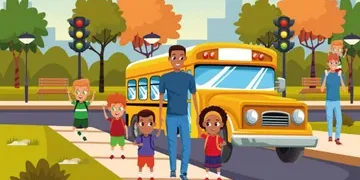
School Transportation Services: Bus Eligibility, Routes, and Safety Rules
School transportation services help students get to school safely and on time, but eligibility, routes, and safety rules can vary by district. Understanding how bus service works can make it easier for families to know what to expect and how to ride responsibly.

School Attendance Zones: How Student Assignments Are Determined
School attendance zones play a major role in determining where students go to school, and they can affect everything from commute times to access to programs. If you’re moving or planning ahead, understanding how these boundaries work can help you make smarter enrollment decisions.

Public School Open Enrollment: How District and State Policies Work
Public school open enrollment can give families more choice in where their children go to school, but the rules depend on state and district policies. Understanding how these policies work can help parents find the right fit and avoid surprises during the application process.

Promise Neighborhoods Program 2026: Education and Community Support for Students
The Promise Neighborhoods Program brings schools, families, and community partners together to create a stronger support system for students from early childhood through college and career. In 2026, it continues to offer a powerful, community-based approach to improving educational success and family well-being.

Comprehensive Centers Program 2026: Supporting State Education Systems
The Comprehensive Centers Program helps state education systems tackle today’s biggest challenges with practical, research-based support. In 2026, it serves as a trusted partner for states working to improve outcomes, strengthen capacity, and make lasting progress for students.

Basic Needs for Postsecondary Students: Campus Support Programs Explained 2026
Basic needs support is becoming a cornerstone of student success in 2026, helping colleges address food, housing, transportation, childcare, and other essentials that can make or break persistence. This article explains how campus programs are meeting those needs and why they matter more than ever.

Ready to Learn Program 2026: Early Literacy and Educational Media Support
The Ready to Learn Program 2026 uses educational media to give young children engaging, research-based early literacy support that helps build language, print awareness, and reading readiness. By reaching families and educators with accessible tools, it helps more children start school prepared to learn and succeed.

2026–27 School Meal Eligibility Guidelines: Family Guide
The 2026–27 school meal eligibility guidelines may affect who qualifies for free or reduced-price meals, how applications are completed, and what income counts toward eligibility. Here’s what families need to know to check their options and get ready for the new school year.