Global Hunger in 2026: Progress, Regional Gaps, and Challenges
Global hunger in 2026 is a story of uneven progress: some regions are making real gains in food security, while others remain trapped by conflict, climate shocks, and rising costs. This article explores why the global picture is still so mixed and what challenges remain ahead.
By: Peter on July 27, 2026
Global hunger in 2026 is no longer a simple story of scarcity. It is a complex mix of conflict, climate shocks, economic instability, uneven development, and fragile food systems. In some parts of the world, governments and communities have made measurable progress in reducing undernourishment and improving access to food. In others, hunger remains entrenched or is even worsening due to war, displacement, drought, inflation, and supply disruptions.
The global picture is mixed. The world produces enough food to feed everyone, yet hundreds of millions of people still face chronic food insecurity. The challenge in 2026 is not only about producing more calories. It is about ensuring access, affordability, nutrition, resilience, and stability across regions that face very different risks.
The Current State of Global Hunger
Hunger today is shaped by more than a lack of food. It is often caused by a lack of income, infrastructure, peace, and policy coordination. According to widely cited international tracking systems, the number of people experiencing food insecurity remains high, with the greatest burden falling on low-income countries and crisis-affected regions.
Several trends define the current landscape:
Food prices remain volatile in many markets.
Conflict and displacement continue to disrupt farming, trade, and aid delivery.
Climate-related shocks such as droughts, floods, and heatwaves are reducing crop yields.
Debt and inflation are limiting governments’ ability to fund social protection.
Nutrition insecurity is growing, with many households forced to choose cheaper, less nutritious foods.
The result is a world where hunger is not evenly distributed. Some countries are seeing gradual improvement thanks to investment in social safety nets and agricultural resilience. Others are slipping backward because of repeated crises.
Where Progress Has Been Made
Despite the scale of the challenge, there has been progress in several areas by 2026. The most successful efforts tend to share a few common features: stable governance, investment in rural development, support for small farmers, and systems that protect vulnerable households during economic shocks.
Improved Social Protection
Countries that expanded cash transfer programs, school feeding, and targeted food assistance have helped millions avoid severe hunger. These measures are especially important when prices rise quickly or when jobs disappear.
For example, a family facing rising grain prices may no longer be able to afford enough food each week. A monthly cash transfer or school meal program can stabilize consumption and reduce the need to skip meals. In many settings, these interventions have also improved child nutrition and school attendance.
Better Agricultural Practices
In regions that have adopted climate-smart agriculture, progress has been more visible. Practices such as drought-resistant seeds, water-efficient irrigation, crop diversification, and soil restoration have helped farmers manage weather uncertainty.
A smallholder farmer in a semi-arid region, for instance, may switch from relying only on maize to growing millet, legumes, and vegetables. This reduces risk and improves both household food security and dietary diversity.
Stronger Early Warning Systems
Another area of improvement is the ability to detect food crises earlier. Satellite monitoring, market tracking, and local reporting networks now allow governments and humanitarian agencies to identify risk faster than in the past. Earlier response can prevent a crisis from becoming a famine.
This matters because hunger escalates quickly when warning signs are ignored. A drought followed by livestock losses, market inflation, and road disruptions can move a community from moderate food insecurity to emergency conditions in a matter of months.
Regional Gaps Remain Severe
Even with progress in some places, hunger remains deeply unequal across regions. The burden is heaviest in areas affected by conflict, weak governance, climate exposure, and poverty. Regional differences are one of the defining features of global hunger in 2026.
Sub-Saharan Africa
Sub-Saharan Africa continues to carry a disproportionate share of global hunger. In many countries, the population is growing faster than food systems, infrastructure, and job creation. Climate stress is hitting rural households especially hard.
Key drivers include:
Repeated droughts and erratic rainfall
Conflict and displacement
Dependence on rain-fed agriculture
High food import costs
Limited access to fertiliser, storage, and credit
In the Horn of Africa and parts of the Sahel, families may face multiple overlapping shocks in a single year. A failed rainy season can reduce harvests, while conflict blocks access to markets and humanitarian aid. Under those conditions, households may sell livestock, reduce meals, and pull children out of school to save resources.
South Asia
South Asia has made significant gains in reducing extreme poverty, but hunger persists due to inequality, population density, and poor dietary diversity. In some areas, people may consume enough calories but still suffer from malnutrition because their diets are low in protein, vitamins, and minerals.
The region’s main challenges include:
Rapid urbanization
Informal employment and low wages
Seasonal migration
Water stress and heat
Gender inequality in food access and nutrition
A common example is a low-income urban household where food is available in the market, but rising prices push families toward cheaper staples and away from fruits, vegetables, dairy, and legumes. The household may not appear “hungry” in the narrow sense, yet children can still experience stunting or anemia.
Middle East and North Africa
The Middle East and North Africa face hunger driven less by agricultural decline alone and more by instability, import dependence, and conflict. Many countries in the region rely heavily on food imports, making them vulnerable to price shocks and supply disruptions.
Major pressures include:
Ongoing conflict in parts of the region
Water scarcity
Import reliance
Economic instability and unemployment
Displacement and humanitarian access constraints
Where conflict persists, food systems often collapse. Farmers cannot reach fields, bread prices rise sharply, and relief operations face logistical and security barriers. Hunger in these contexts is often tied to broader state fragility rather than food production alone.
Latin America and the Caribbean
This region has seen mixed outcomes. Some countries have reduced hunger through social policy and agricultural support, while others have been hit by inflation, debt, climate shocks, and political instability.
The Caribbean is especially vulnerable to hurricanes and imported food dependence. In parts of Latin America, droughts and extreme weather have reduced harvests, while urban poverty has made healthy food unaffordable for many families.
Progress here often depends on whether governments can preserve social programs during economic downturns. Where they can, hunger rates tend to improve. Where fiscal pressure forces cuts, food insecurity rises quickly.
Why Hunger Persists Despite Global Food Production
A common misconception is that hunger exists because the world simply does not produce enough food. In reality, the problem is more about access, distribution, and resilience. Global food systems generate abundance, but that abundance is not reaching everyone evenly.
Several structural issues explain why hunger persists:
Conflict Breaks Food Systems
War disrupts every stage of the food chain. Farmers cannot plant safely, markets close, roads are damaged, and aid workers may be unable to deliver assistance. Conflict also drives displacement, which separates families from land, income, and community support.
Climate Change Increases Risk
Climate change is no longer a distant threat. It is already affecting crop yields, livestock health, fishing communities, and water availability. A single weather shock can destroy livelihoods for entire communities, especially where insurance and savings are limited.
Poverty Limits Access
Even when food is available in local markets, poor households may not be able to buy enough of it. Hunger is often a wage problem, not just a food problem. If income is unstable or wages are too low, families cut meals or switch to the cheapest possible foods.
Food Systems Are Unequal
Agricultural value chains often favor larger producers, better-connected traders, and urban consumers. Small farmers may receive low prices for their crops while still paying high prices for seeds, fertilizer, transport, and fuel. This leaves them trapped in low productivity and thin profit margins.
Nutrition Is Overlooked
Food security and nutrition are not the same thing. A household may have enough staples to survive but still lack essential nutrients. In 2026, “hidden hunger” remains a major issue, especially for pregnant women, young children, and adolescents.
The Human Cost Behind the Numbers
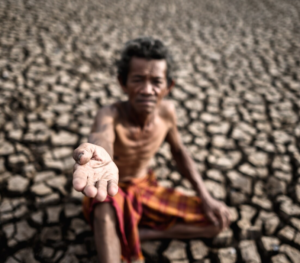
Global hunger is often discussed in statistics, but its real impact is personal and immediate. A child who goes to bed hungry struggles to concentrate at school. A mother may skip meals so her children can eat. A farmer facing repeated crop losses may abandon land that has supported a family for generations.
The effects go beyond short-term discomfort:
Children may suffer lifelong developmental setbacks
Adults may lose productivity and income
Health systems face more malnutrition-related illness
Communities become more vulnerable to instability and migration
For example, in a drought-affected village, a household might first reduce spending on meat and vegetables. Then it may skip breakfast, then sell livestock, then take children out of school, and finally rely on emergency aid. Hunger often unfolds in stages, and by the time it becomes visible, the household has already absorbed severe losses.
What Is Needed Next
Addressing hunger in 2026 requires more than emergency food aid, although humanitarian assistance remains vital in crisis zones. The long-term solution is a combination of prevention, resilience, and equitable development.
1. Invest in Climate-Resilient Agriculture
Farmers need access to:
Drought-resistant crops
Efficient irrigation
Climate information services
Storage and transport infrastructure
Affordable credit and insurance
These tools help communities withstand shocks instead of collapsing under them.
2. Expand Social Protection
Cash transfers, school meals, maternal nutrition support, and emergency food assistance can protect vulnerable families when prices rise or incomes fall. These programs are often among the fastest and most effective ways to reduce hunger.
3. Support Peace and Stability
Hunger cannot be solved in war zones without progress on security and access. Peace-building, diplomatic engagement, and protection of civilian infrastructure are essential parts of food security strategy.
4. Improve Local and Regional Food Markets
Countries can reduce hunger by strengthening storage systems, roads, market access, and regional trade. When food moves more efficiently, price spikes are less severe and local producers gain more reliable outlets.
5. Focus on Nutrition, Not Just Calories
Nutrition-sensitive policies are needed to address anemia, stunting, wasting, and diet-related disease. This includes support for diverse crops, fortified foods, maternal health, and school nutrition programs.
Frequently Asked Questions
1. How many people worldwide are currently affected by hunger?
The 2026 State of Food Security and Nutrition in the World report estimates that approximately 645 million people faced hunger in 2025, representing about 7.8% of the global population.
2. Is global hunger increasing or decreasing?
Global hunger declined for the third consecutive year in 2025. However, progress remains slow, unevenly distributed, and insufficient to achieve the international goal of ending hunger by 2030.
3. Why do different reports provide different global hunger figures?
Reports measure different conditions. Chronic hunger refers to persistent undernourishment, while acute food insecurity describes an immediate threat to a person’s food consumption or livelihood. The reporting periods, countries covered, and measurement methods can also differ.
4. Which regions currently face the greatest hunger burden?
Africa has the largest number of people experiencing chronic hunger, with approximately 309 million affected in 2025. Conflict-affected areas in Africa and the Middle East also face some of the most severe acute food crises.
5. What are the primary causes of global hunger?
The leading causes include conflict, poverty, displacement, economic instability, high food costs, extreme weather, and limited access to agricultural resources. These pressures frequently overlap and make affected communities more vulnerable.
Global hunger in 2026 reflects both progress and persistent inequality. Some regions have made real gains through better policy, stronger safety nets, and climate-smart agriculture. Yet in many others, hunger remains severe because conflict, climate shocks, poverty, and weak infrastructure continue to undermine food access.
The world does not face a single hunger problem. It faces many regional hunger crises with different causes and solutions. That means the response must be equally nuanced: protect vulnerable families, invest in resilient food systems, address conflict, and make nutrition a central priority. Only then can progress become more than isolated success stories and begin to close the global hunger gap for good.
Peter B holds a degree in Journalism and has 5 years
of experience covering U.S. economic policy, labor markets, and
financial news. He writes data-driven news content on topics
like inflation, interest rates, and employment trends.