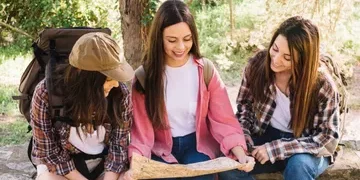
How National Parks Help Students Learn American History
National parks offer students a powerful way to explore American history by connecting lessons to the real places where key events happened. From battlefields to historic homes, these sites make the past more vivid, memorable, and meaningful.
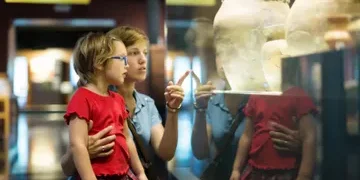
Object-Based Learning: Using Museum Collections in the Classroom
Object-based learning brings museum collections into the classroom in a hands-on way, helping students explore real objects, ask better questions, and connect with history, science, and culture more deeply. By starting with something tangible, teachers can spark curiosity and turn abstract ideas into memorable learning experiences.
Bullying Prevention in Schools: How Students and Families Can Respond
Bullying prevention starts with recognizing the signs early and building a school culture where students feel safe speaking up. When families, educators, and peers work together, they can help stop harmful behavior before it causes lasting damage.

How Teachers Can Use Census Data for Classroom Activities
Census data activities give teachers an easy way to turn real-world information into meaningful lessons students can analyze, discuss, and apply. From graphs and population trends to community comparisons, these activities make learning more engaging and relevant across subjects.
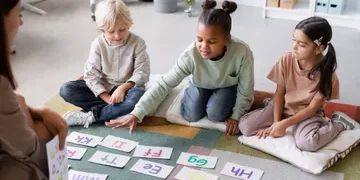
Head Start Programs: Early Education and Family Services Explained
Head Start programs give young children from low-income families a strong start by combining early learning with health, nutrition, and family support. This article explains how they work, who they serve, and why they matter for children and caregivers alike.
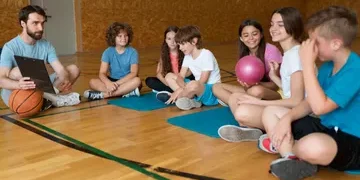
Physical Education Requirements: How School Fitness Programs Work
Physical education requirements help schools turn movement into a meaningful part of learning, giving students the skills, knowledge, and habits they need for lifelong health. From fitness activities to safety and teamwork, PE programs are designed to support both physical development and overall well-being.
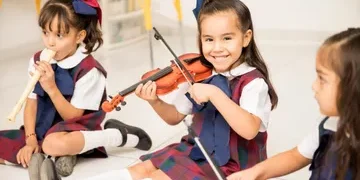
Arts Education in Public Schools: Music, Theater, and Visual Arts
Arts education in public schools gives students more than creative outlets—it builds confidence, teamwork, and problem-solving skills that support learning across every subject. From music and theater to visual arts, these programs help students stay engaged, express themselves, and thrive in school.
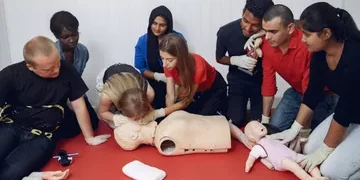
School Emergency Plans: Drills, Communication, and Family Preparation
A strong school emergency plan gives students, staff, and families clear steps to follow when the unexpected happens. From regular drills to reliable communication, preparation helps schools respond quickly, calmly, and safely.
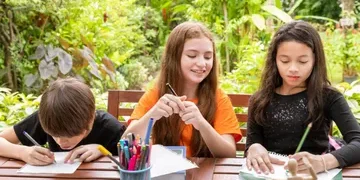
Summer Learning Programs: How Schools Combat Learning Loss
Summer learning programs help schools fight the summer slide by keeping students engaged, practicing key skills, and building confidence before the new school year begins. From academic support to hands-on enrichment, these programs give learners a strong start for fall.

Alternative High Schools: Programs for Students Who Need a Different Path
Alternative high schools offer students a more flexible, personalized way to earn credits, rebuild confidence, and stay on track toward graduation. For teens who haven’t thrived in a traditional setting, these programs can provide the support and structure they need to succeed.