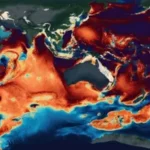
Wildfire Smoke: A Growing Cross-Border Public Health Threat
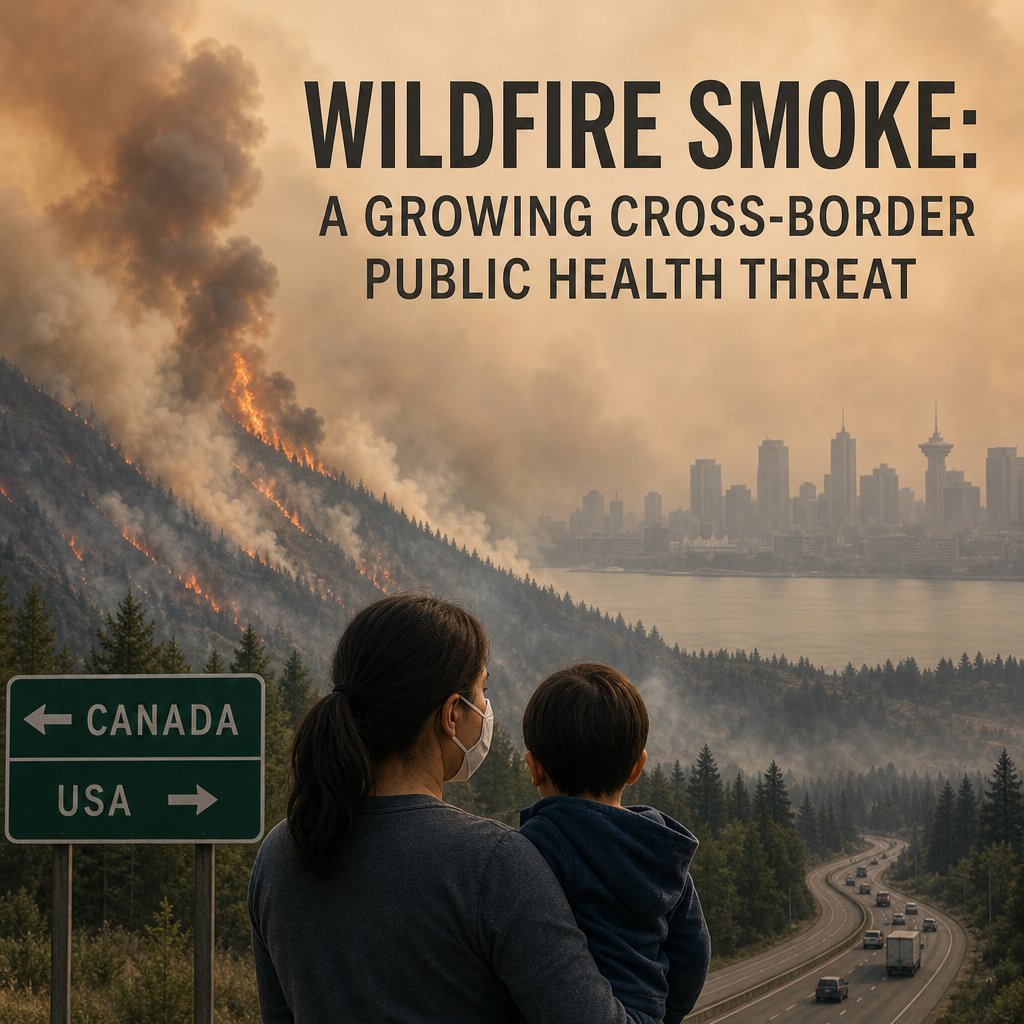
Wildfire smoke is no longer just a local nuisance—it can travel across cities, states, and national borders, putting millions of people at risk from worsening air quality. As fires grow more frequent and intense, communities far from the flames are feeling the health impacts too.
By: Peter on July 27, 2026
Wildfires are no longer a problem confined to remote forests or a single region. In recent years, smoke from major fire events has traveled hundreds or even thousands of miles, affecting air quality far beyond the flames themselves. What begins as a local disaster can quickly become a shared public health emergency across cities, states, provinces, and even national borders.
This growing reality is changing how public health experts, governments, and communities think about wildfire risk. Smoke is not just an inconvenience or a temporary haze. It can trigger asthma attacks, worsen heart and lung disease, increase emergency room visits, and affect children, older adults, and outdoor workers in particular. As wildfires become more frequent and intense, smoke is emerging as a cross-border issue that demands coordinated responses.
Smoke Does Not Respect Borders
One of the clearest reasons wildfire smoke is becoming a cross-border public health problem is simple: the atmosphere does not follow political boundaries. Wind patterns can carry fine particulate matter, called PM2.5, across state lines and international borders with ease.
A fire burning in one part of Canada can create poor air quality in U.S. cities days later. Likewise, fires in the western United States can affect communities in neighboring states and provinces. In some cases, smoke can travel so far that air quality warnings are issued in places far removed from the original fire zone.
This movement makes wildfire smoke very different from hazards that stay geographically contained. Even if a community is not directly threatened by flames, it can still face major health impacts from smoke drifting in from another jurisdiction.
Example: Regional Smoke Events
In recent years, major wildfire seasons have caused hazy skies and air quality alerts across large regions. Residents in cities far from active fires have worn masks, stayed indoors, and canceled outdoor events because of smoke that originated hundreds of miles away.
These events highlight a key challenge: one region’s wildfire crisis can quickly become another region’s public health burden. That means preparedness, communication, and response efforts must extend beyond local fire zones.
The Health Risks Are Immediate and Long-Term
Wildfire smoke contains a complex mix of pollutants, including tiny particles that can penetrate deep into the lungs and even enter the bloodstream. PM2.5 is especially concerning because it is small enough to cause inflammation and stress throughout the body.
Short-Term Health Effects
Exposure to wildfire smoke can lead to:
Coughing, wheezing, and shortness of breath
Irritated eyes, nose, and throat
Headaches and dizziness
Worsening asthma and COPD symptoms
Increased heart strain and chest pain
For many people, these symptoms may appear within hours of exposure. Hospitals and clinics often see spikes in respiratory complaints during heavy smoke events.
Long-Term Health Concerns
Repeated exposure is also associated with more serious risks over time. Researchers are increasingly linking wildfire smoke to:
Higher rates of chronic respiratory problems
Increased cardiovascular stress
Poorer outcomes for pregnant people and infants
Possible impacts on cognitive health and overall well-being
The concern is not limited to one day of bad air. In regions where smoke seasons are becoming longer and more frequent, communities may face recurring exposure year after year.
Climate Change Is Making the Problem Worse
Although wildfires have always existed, climate change is intensifying conditions that make large, destructive fires more likely. Hotter temperatures, prolonged drought, earlier snowmelt, and drier vegetation all contribute to more extreme fire behavior.
As fires burn hotter and spread faster, they produce more smoke. Longer fire seasons also mean communities are exposed for a greater portion of the year. In some areas, what used to be a rare event is now becoming a recurring summer or even springtime concern.
A Widening Smoke Footprint
Climate-driven changes are also expanding the geographic reach of smoke impacts. Longer-lasting fire seasons increase the odds that multiple fires will burn at once in different places, creating broad regional smoke plumes that affect millions of people.
This makes wildfire smoke a cross-border public health issue not just because smoke can move far, but because the underlying fire conditions are increasingly widespread. The problem is growing faster than many public health systems were designed to handle.
Vulnerable Populations Face the Greatest Risk
While wildfire smoke can affect anyone, some groups are much more vulnerable than others. Cross-border smoke events often hit these communities hardest because they may have less ability to avoid exposure or respond quickly.
Children
Children breathe more air relative to their body size and have developing lungs, making them especially sensitive to polluted air. Smoke exposure can worsen asthma, increase school absences, and affect outdoor play and sports.
Older Adults
Older adults are more likely to have chronic health conditions such as heart disease or lung disease. Smoke can aggravate these conditions and raise the risk of serious complications.
Pregnant People and Infants
Exposure during pregnancy has been linked to adverse health outcomes, and infants are particularly vulnerable because their respiratory systems are still developing.
Outdoor Workers
People who work outside, such as agricultural workers, construction crews, utility workers, and emergency responders, may experience prolonged exposure when smoke conditions persist. These workers often cannot simply stay indoors during bad air days.
Low-Income and Marginalized Communities
Not everyone has equal access to air conditioning, air filtration, or flexible work options. Communities with fewer resources may have a harder time reducing exposure, especially when smoke events last for days or weeks.
Wildfire smoke becoming a public health issue across borders creates major challenges for governments and health agencies. Air quality warnings, emergency planning, and health messaging often need to be synchronized across jurisdictions that may have different systems, thresholds, and languages.
Different Standards and Alerts
One country may use one set of air quality indices while a neighboring country uses another. That can make it difficult for the public to understand how severe conditions are or what actions to take. Even within the same nation, states or provinces may issue different advisories based on local criteria.
Communication Gaps
People need clear, timely guidance when smoke arrives. But if public messaging is inconsistent across borders, residents can become confused about whether to stay indoors, wear masks, run air cleaners, or reschedule outdoor activities.
Shared Infrastructure and Health Services
Smoke may strain hospitals, clinics, and public health departments in multiple regions at once. Border communities may rely on cross-jurisdictional health services, which can complicate coordination during fast-moving smoke events.
This makes it essential for agencies to share data, align messaging, and develop response plans that extend beyond a single region.
Air Quality Monitoring Needs to Be More Connected
One of the major challenges in managing cross-border wildfire smoke is knowing where the smoke is and how bad conditions are at any given moment. Air quality monitoring networks are critical, but they are not always dense or evenly distributed.
The Role of Sensors and Forecasts
Modern air quality sensors, satellites, and smoke forecasting tools can help track smoke movement in near real time. These systems allow officials to issue warnings and help residents make safer choices.
However, gaps remain. Rural areas, border communities, and smaller towns may lack sufficient monitoring infrastructure. When smoke moves quickly, even a short delay in detection or communication can matter.
Why Shared Data Matters
A more coordinated approach to monitoring can improve:
Early warning systems
Public health advisories
Emergency response planning
School and workplace decision-making
Protection for vulnerable groups
Shared data across borders helps communities prepare before smoke arrives rather than reacting after exposure has already begun.
Everyday Life Is Being Reshaped by Smoke
Cross-border wildfire smoke is not just a public health issue in the abstract. It is changing how people live, work, learn, and travel.
Schools and Childcare
Schools may cancel recess, outdoor sports, and field trips. In severe cases, they may close entirely or move activities indoors. Childcare providers face similar decisions, often with limited ventilation or filtration options.
Work and the Economy
Outdoor labor can be delayed or paused during smoke events, affecting industries such as agriculture, construction, and transportation. Indoor workplaces may also need to adjust ventilation systems or provide respirators.
Recreation and Tourism
Smoke can shut down hiking, camping, and sporting events. Popular destinations may see fewer visitors during fire season, affecting local economies.
Mental Health
Repeated smoke episodes can create stress, anxiety, and a sense of helplessness. For communities that already live with wildfire risk, the added burden of smoke can contribute to long-term mental health strain.
What Communities Can Do
Although wildfire smoke is becoming more widespread, there are practical steps communities can take to reduce harm. Preparedness matters just as much as emergency response.
At the Household Level
People can protect themselves by:
Checking local air quality reports regularly
Staying indoors when smoke levels are high
Using portable HEPA air cleaners
Setting home HVAC systems to recirculate air when appropriate
Wearing well-fitting respirators such as N95 masks during outdoor exposure
Avoiding strenuous outdoor exercise on smoky days
At the Community Level
Cities, schools, and employers can:
Improve building filtration and ventilation
Create smoke response plans
Stock respirators and filters before fire season
Communicate clearly about when outdoor activities should be moved indoors
Provide special support for vulnerable residents
At the Policy Level
Governments can reduce risk by:
Expanding air quality monitoring networks
Harmonizing smoke advisories across borders
Funding public health preparedness
Supporting wildfire prevention and landscape management
Investing in cleaner, more resilient buildings
Policy coordination is especially important because the smoke problem does not stop at borders. Public health protections need to be just as connected.
A New Kind of Public Health Threat
Wildfire smoke is becoming a cross-border public health issue because it combines three powerful forces: more severe wildfires, long-distance smoke transport, and widespread human exposure. The result is a hazard that can affect millions of people at once, often far from the flames.
This is not just a seasonal nuisance. It is a growing health challenge that requires cooperation among neighboring regions and nations. Better monitoring, clearer communication, stronger building protections, and more resilient public health systems can all help reduce harm.
Frequently Asked Questions
1. How far can wildfire smoke travel?
Wildfire smoke can travel hundreds or thousands of miles, depending on wind patterns, atmospheric conditions, and the intensity of the fire. Communities far from the flames may still experience unhealthy air quality.
2. Why is PM2.5 in wildfire smoke dangerous?
PM2.5 consists of particles measuring 2.5 micrometers or less. These particles can travel deep into the lungs and contribute to respiratory and cardiovascular problems, particularly when exposure is intense or prolonged.
3. Who is most vulnerable to wildfire smoke?
Higher-risk groups include children, older adults, pregnant people, outdoor workers, and individuals with asthma, chronic obstructive pulmonary disease, heart disease, or other existing health conditions.
4. How can people reduce their exposure during a smoke event?
People should monitor local air-quality reports, limit outdoor activity, keep indoor air as clean as possible, and use an appropriately sized HEPA air cleaner when available. If outdoor exposure cannot be avoided, a well-fitting NIOSH-approved N95 or P100 respirator can reduce exposure to airborne particles.
5. When should someone seek medical assistance after smoke exposure?
Medical assistance may be necessary for severe coughing, wheezing, chest pain, difficulty breathing, heart palpitations, or symptoms that continue to worsen. Anyone experiencing a medical emergency should contact local emergency services immediately.
As wildfires grow larger and smoke travels farther, the impact is increasingly shared across borders. Communities that may never see the fire itself can still suffer the health consequences of breathing polluted air. That makes wildfire smoke a truly cross-border public health issue—one that calls for coordinated action, informed planning, and stronger protection for the people most at risk.
Peter B holds a degree in Journalism and has 5 years
of experience covering U.S. economic policy, labor markets, and
financial news. He writes data-driven news content on topics
like inflation, interest rates, and employment trends.