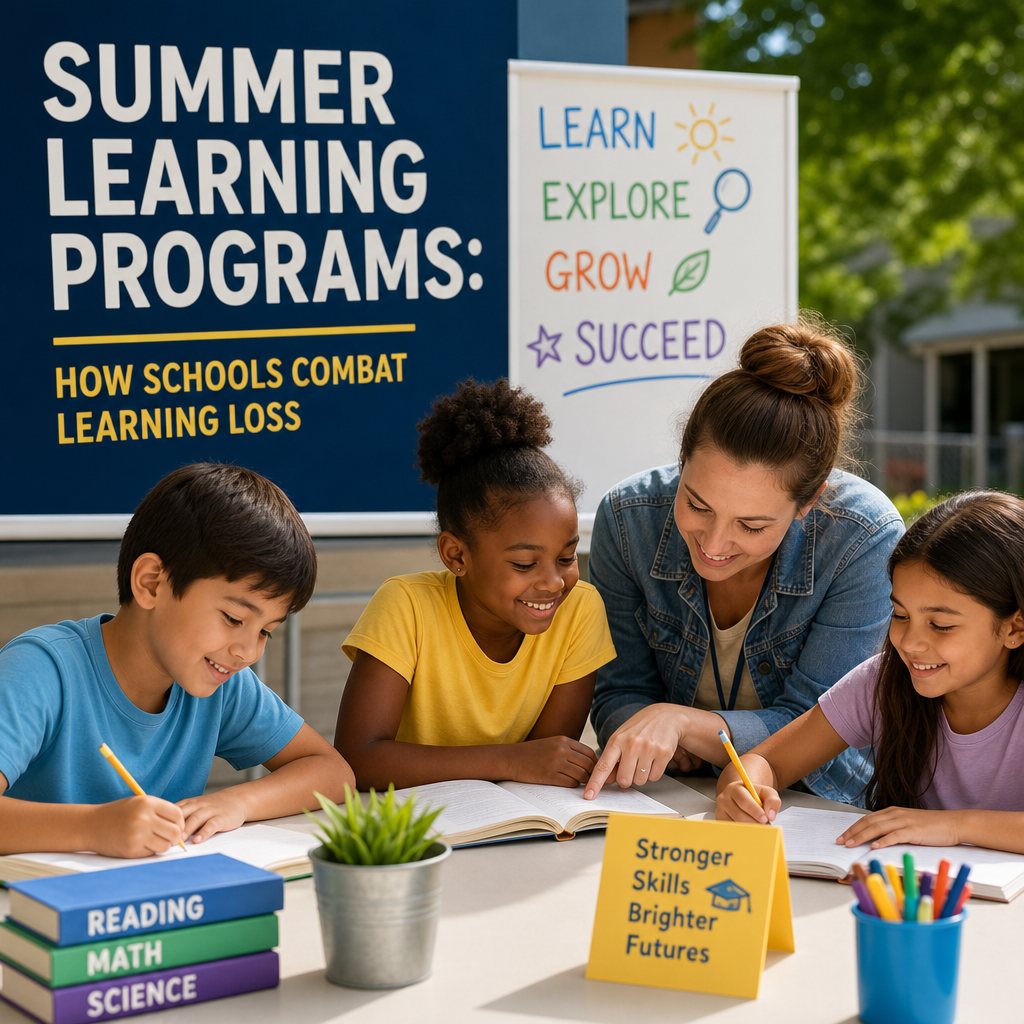
Summer Learning Programs: How Schools Combat Learning Loss
Summer learning programs help schools fight the summer slide by keeping students engaged, practicing key skills, and building confidence before the new school year begins. From academic support to hands-on enrichment, these programs give learners a strong start for fall.
By: Jennifer Collins on July 27, 2026
Every school year brings periods of growth, but it can also bring periods of decline when students are away from the classroom for long stretches of time. This seasonal slowdown, often called summer learning loss or the summer slide, can affect students in reading, math, and even confidence. To respond, many schools offer summer learning programs designed to keep students engaged, close academic gaps, and help them return in the fall ready to learn.
These programs vary widely. Some focus on hands-on enrichment and project-based activities, while others provide intensive academic support. Many combine both. The goal is not simply to “repeat” the school year over the summer, but to use the time strategically so students continue building skills in a less pressured setting.
What Is Summer Learning Loss?
Summer learning loss refers to the academic regression that can happen when students spend weeks or months away from regular instruction. It is most commonly discussed in relation to reading and mathematics, where practice matters a great deal.
For example:
A student who reads regularly over the summer may return to school with stronger fluency and comprehension.
A student who does little math practice may forget fraction concepts or become slower with basic facts.
Younger students may lose momentum in letter recognition, handwriting, or early phonics.
The effects are not the same for every child. Some students maintain or even gain skills during the summer, especially if they have access to books, enrichment programs, travel, tutoring, or structured activities. Others are at higher risk because they have fewer learning opportunities outside of school.
Schools address this uneven reality through summer learning programs that aim to reduce gaps before they widen.
Why Schools Invest in Summer Learning Programs
Schools do not offer summer learning simply to keep students busy. These programs are usually part of a broader strategy to improve academic outcomes and support student well-being.
1. Preventing Skill Regression
One of the main goals is to help students retain what they learned during the year. Even brief review and practice can make a meaningful difference. Summer programs provide structured time to revisit essential concepts in reading, writing, and math.
2. Supporting Students Who Are Behind
Students who struggled during the school year often need more than just a few worksheets to catch up. Summer programs can offer small-group instruction, targeted remediation, and individualized support before the next school year starts.
3. Preparing for the Next Grade
Some summer programs help students transition into a new grade level by previewing upcoming content. For example, incoming middle schoolers might practice note-taking, organization, and more advanced reading strategies, while elementary students might strengthen foundational literacy skills.
4. Keeping Students Engaged
When summer learning is designed well, it feels less like “make-up work” and more like a rewarding experience. Schools often use thematic lessons, arts integration, science projects, outdoor learning, and field experiences to keep students motivated.
Common Types of Summer Learning Programs
Not every school uses the same model. The best fit depends on student needs, staffing, funding, and community priorities. Here are some of the most common approaches.
Academic Recovery Programs
These are the most direct response to learning loss. They focus heavily on reading and math skills that need reinforcement. Students may attend for several weeks and work in small groups with certified teachers or trained tutors.
Typical features include:
Diagnostic assessments at the start
Skill-based instruction
Daily reading practice
Math review and problem-solving
Progress monitoring throughout the program
These programs are often used for students who are significantly below grade level or who need intensive intervention.
Enrichment-Based Programs
Not all summer learning has to look like traditional school. Enrichment programs combine academics with engaging activities such as:
STEM projects
Art and music
Outdoor exploration
Creative writing
Team-building and leadership activities
These programs are especially useful for keeping students motivated while still reinforcing literacy and numeracy in practical ways. For example, students might calculate materials for a gardening project or write reflections about a museum visit.
Extended School Year Programs
Some students with disabilities receive extended school year services to maintain important skills and prevent regression. These programs are based on individual needs and are often more specialized than general summer school offerings.
Transition Programs
These programs help students move from one educational stage to another, such as:
Kindergarten readiness programs
Bridge programs for students entering middle school
Support for high school freshmen
Credit recovery for older students
Transition programs may include academic review, orientation to new routines, and social-emotional support.
What Makes a Summer Learning Program Effective?
A successful summer program is more than a place for students to spend time during the break. It should be intentionally designed to produce measurable benefits.
Targeted Instruction
Students benefit most when instruction is aligned to their actual needs. Rather than using a one-size-fits-all workbook, schools often use assessment data to group students by skill level and target specific gaps.
For instance, a third grader who struggles with multiplication may not need a full review of every math topic from the previous year. Instead, they may need focused practice in multiplication facts, problem-solving, and number sense.
Small Group Sizes
Smaller groups allow teachers to provide more individual attention. This is especially important for students who need corrective feedback, extra explanation, or more opportunities to practice.
Consistency and Routine
Even though summer is meant to feel different from the school year, students still benefit from a predictable schedule. A program with regular attendance, consistent expectations, and a steady routine helps students stay engaged and understand what is expected of them.
Engaging Activities
Students are more likely to retain information when learning feels relevant and active. Hands-on activities, collaborative work, games, and real-world projects can make academic practice more enjoyable and effective.
Qualified Staff
Programs work best when led by educators who understand both academic content and student development. Teachers, reading specialists, tutors, and support staff all play important roles in building a positive learning environment.
Examples of How Schools Address Learning Loss
Schools often combine multiple strategies to meet different needs. Here are a few common examples.
Reading-Focused Summer Labs
A district may create a reading lab for elementary students who are below benchmark. The program might meet four days a week for six weeks and include:
Guided reading
Phonics practice
Vocabulary development
Independent reading time
Read-alouds to build comprehension
Students may be assessed before and after the program to measure progress. If the program is effective, students return in the fall with stronger reading fluency and confidence.
Math Acceleration Camps
Some schools run short, intensive math camps that focus on core concepts from the prior year and preview next year’s material. A fifth-grade camp, for example, might review fractions, decimals, and multi-step word problems while also introducing ratios.
This approach helps students avoid a slow start in September and allows teachers to begin grade-level instruction more quickly.
Project-Based Learning and STEM Programs
A middle school might offer a summer STEM program where students design simple machines, study environmental science, or complete coding challenges. While the activities are fun, they also reinforce problem-solving, communication, and collaboration.
For example, a group of students could build a small solar oven. In the process, they learn about heat transfer, measurement, and iterative design.
Literacy and Enrichment Partnerships
Some schools partner with libraries, museums, universities, or nonprofit organizations to create more engaging summer experiences. A student might spend part of the week on reading instruction and part of the week participating in a theater workshop or local history project.
These partnerships can broaden student access to experiences that support both academic and personal growth.
How Schools Identify Students Who Need Support
Not every student needs the same level of summer support. Schools often use multiple sources of information to determine who would benefit most from a program.
Assessment Data
Standardized tests, classroom benchmarks, and reading or math screenings help schools identify students who are below grade level or at risk of falling behind.
Teacher Recommendations
Teachers often know which students struggled during the year, which ones missed a lot of instruction, and which ones might benefit from summer support even if their test scores are only slightly below target.
Attendance and Participation
Frequent absences can lead to missed instruction and greater learning loss. Schools may invite students with high absenteeism to summer programs as a way to rebuild momentum.
Family Input
Parents and caregivers often have valuable insight into a child’s learning habits, confidence, and needs over the summer. Their input can help schools choose the right type of support.
Benefits Beyond Academics
Although the main goal is often to address academic loss, well-designed summer programs can support the whole child.
Stronger Confidence
Students who struggle during the school year may enter summer programs feeling discouraged. When they experience success in a supportive setting, their confidence often improves.
Better Relationships
Smaller, more relaxed settings can help students build positive relationships with teachers and peers. This matters because students who feel connected are more likely to participate and take academic risks.
Improved Study Habits
Summer programs can reinforce routines such as completing assignments, listening actively, asking questions, and reflecting on progress. These habits carry over into the school year.
More Access to Opportunity
For some students, summer learning programs provide access to books, technology, enrichment, meals, and supervised activities that may not be available at home.
Challenges Schools Face
While summer learning programs can be effective, they are not easy to run well. Schools must overcome several common challenges.
Attendance
Summer attendance can be unpredictable. Families may have travel plans, work schedules, or childcare needs that make regular participation difficult.
Funding
Running a high-quality program requires staff, materials, transportation, meals, and sometimes extended hours. Funding is often limited, so schools must make strategic choices about who to serve and how.
Staffing
Teachers and support staff may be hard to recruit for summer sessions, especially after a demanding school year. Schools need planning and incentives to build stable teams.
Student Motivation
If a program feels too much like punishment, students may resist attending. Schools need to create positive experiences that respect students’ time and interests.
Measurement
It can be difficult to isolate the exact impact of a summer program because many factors influence student performance. Even so, schools often use pre- and post-assessments to evaluate growth and refine future offerings.
How Families Can Support Summer Learning
Parents and caregivers play a major role in reducing learning loss, even when children are not enrolled in a formal program.
Here are a few practical ways families can help:
Encourage daily reading, even for 15 to 20 minutes
Visit the library regularly
Practice math in everyday situations, such as cooking, shopping, or travel
Use educational games, apps, or workbooks in moderation
Maintain a reasonable routine for sleep and screen time
Ask children to write postcards, journal entries, or short stories
Support attendance if the child is enrolled in a summer program
Small actions can make a real difference when they are consistent.
Looking Ahead: A Broader View of Summer Learning
As more schools recognize the importance of summer learning, many are moving away from the idea that summer school is only for remediation. Instead, they are treating summer as a valuable opportunity to strengthen skills, spark curiosity, and help students recover from missed learning time.
The most effective programs tend to balance academic focus with engagement, structure with flexibility, and support with encouragement. They understand that students learn best when they feel capable, connected, and interested in what they are doing.
Frequently Asked Questions
1. What is summer learning loss?
Summer learning loss refers to declines or changes in academic skills that may occur while students are away from regular classroom instruction. The effects vary among students and may involve reading, mathematics, fluency, or confidence.
2. Who can participate in a school summer learning program?
Eligibility depends on the school or district. Programs may prioritize students who are below grade level, need credit recovery, have frequent absences, are transitioning to another grade, or would benefit from academic enrichment.
3. What makes a summer learning program effective?
Effective programs generally provide targeted instruction, qualified educators, manageable class sizes, consistent attendance, engaging activities, and progress monitoring aligned with students’ specific academic needs.
4. Is an Extended School Year program the same as regular summer school?
No. Extended School Year services are special education and related services provided beyond the normal school year when a student’s IEP team determines that they are necessary for the student to receive a free appropriate public education.
5. How can families support learning during the summer?
Families can encourage regular reading, library visits, educational games, writing activities, and practical mathematics through cooking or shopping. Maintaining consistent routines and supporting attendance in an available summer program can also help.
Summer learning programs are an important tool schools use to address learning loss and help students start the next school year on stronger footing. Whether the program focuses on reading recovery, math practice, enrichment, or transition support, its purpose is the same: to keep students moving forward.
When designed thoughtfully, these programs do more than prevent academic backsliding. They build confidence, improve readiness, and create new opportunities for growth. In that sense, summer learning is not just a response to loss. It is an investment in future success.
Jennifer, M.Ed., holds a degree in Higher Education Administration, with
a focus on U.S. college financial aid, admissions policy, and student
support systems. She researches and writes about scholarships, federal
aid programs, and the college planning process to help students and
families make informed, well-supported decisions.